How Street Art Shapes Urban Identity
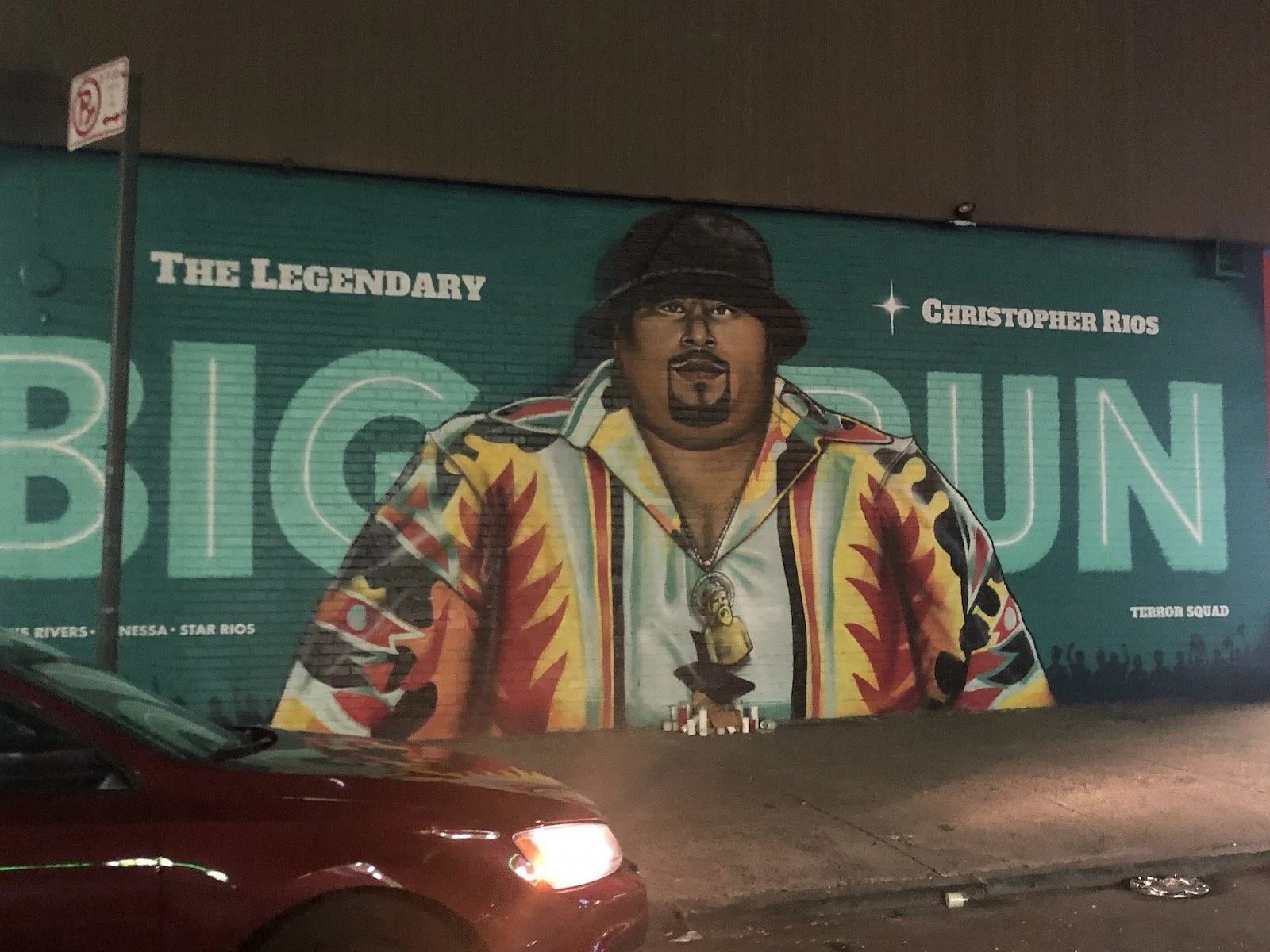
Cities talk to us in numerous ways; they speak to us in terms of their architecture, their civic spaces, and their people. However, street art is one of the most communicative channels in a city setting. Wall paintings, murals, stencils, and installations are also used in how neighborhoods express themselves. In the same way someone might explore guides to parimatch deposit methods in india when looking for specific information, art enthusiasts often search for the best places to find these visual expressions in the city.
History of Modern Street Art
The gallery is not the place where street art began. It is based on the necessity to communicate beyond conventional means, as it involves transmitting messages that may not pass through billboards or official exhibitions. The first pieces, as well as common rebellious gestures, either political or personal tags, could be described as rebellious acts against the rules of the public space.
Eventually, cities realized the value of such works culturally. Vandalism, which was once considered a problem, is now seen as an element of the urban system in most locations.
Reasons That Communities Care
It is not only an artistic decoration. It may mirror the past, struggles, and dreams of the people residing in a neighborhood. Furthermore, it may have certain tributes to local heroes, remnants of events in history, or statements that demand social change; all this can be seen when you walk through certain areas.
Some of the strongest impacts include:
Giving communities a voice when traditional media overlooks them.
Attracting visitors can boost local businesses.
Preserving stories and memories in a visual form.
These effects show why cities increasingly collaborate with artists instead of pushing them away.
Freedom Versus Order
Not everything has to be abandoned when allowing street art. In numerous cities, there exist legal walls or areas where any artist can work. This safeguards public capacity, and it does not deny artists the right to express themselves.
There is, however, something appealing about street art, namely the element of surprise. You may walk around the corner, and there may be a new mural, which was not there the previous day. One can hardly reproduce that feeling of surprise within a controlled environment.
Styles and Techniques
Street art is not monolithic – it is the combination of styles/mediums. Murals may be of a large scale and prominent, and may have multiple accounts throughout a whole building. Stencils are faster to apply, and may be used where there is a pattern to repeat or perhaps an icon to be repeated. Fine detail can be done in paste-ups glued on the walls. Why hours of painting on site when it can be done in paste-up, with a printed detail?
Objects or mixed material elements, on use, provide an installation that has a three-dimensional aspect. Some of the works are even combined with digital and physical art, whereby the QR coding is used to connect viewers to music, video, or other extra information.
Festivals Role
Over the recent years, street art festivals have turned certain streets and sections of cities into outdoor galleries. Such events offer opportunities to international artists to come in to paint, exchange ideas, and interact with the locals. They usually have a legacy of murals that still attract people long after the fest concludes.
These evenings promote cooperation between artists from different backgrounds, giving rise to fusions of styles and techniques.
It is possible to conclude that a street artist has to face the following challenges.
Although street art has come to be tolerated than ever, not everything is rosy. A piece can easily deteriorate because of the weather and pollution. The issue of the permissions may be rather tricky, especially in the case of the privately owned property. In certain cities, the legal risk remains quite high, and the artists can be heavily fined or have their artwork confiscated.
Then, there is the issue of authenticity about commercial interest. Some people believe that using brands in sponsoring murals is one way of blurring the boundary between art and marketing.
Looking Ahead
Street art is going to develop. With new materials, technology, and internationally based cooperation, the art form will continue to push the boundaries. Augmented reality would allow making murals look interactive, and the more environmentally friendly the paints, the better.
Yet despite the variations in techniques, the core of street art will never stop, its power to make the walls that surround our lives stories worthy of sharing.
The cities that will adopt this creativity will not only bring some color to their streets, but they will also enhance the connection between the space and community.