How Urban Nightlife Reflects Social Trends
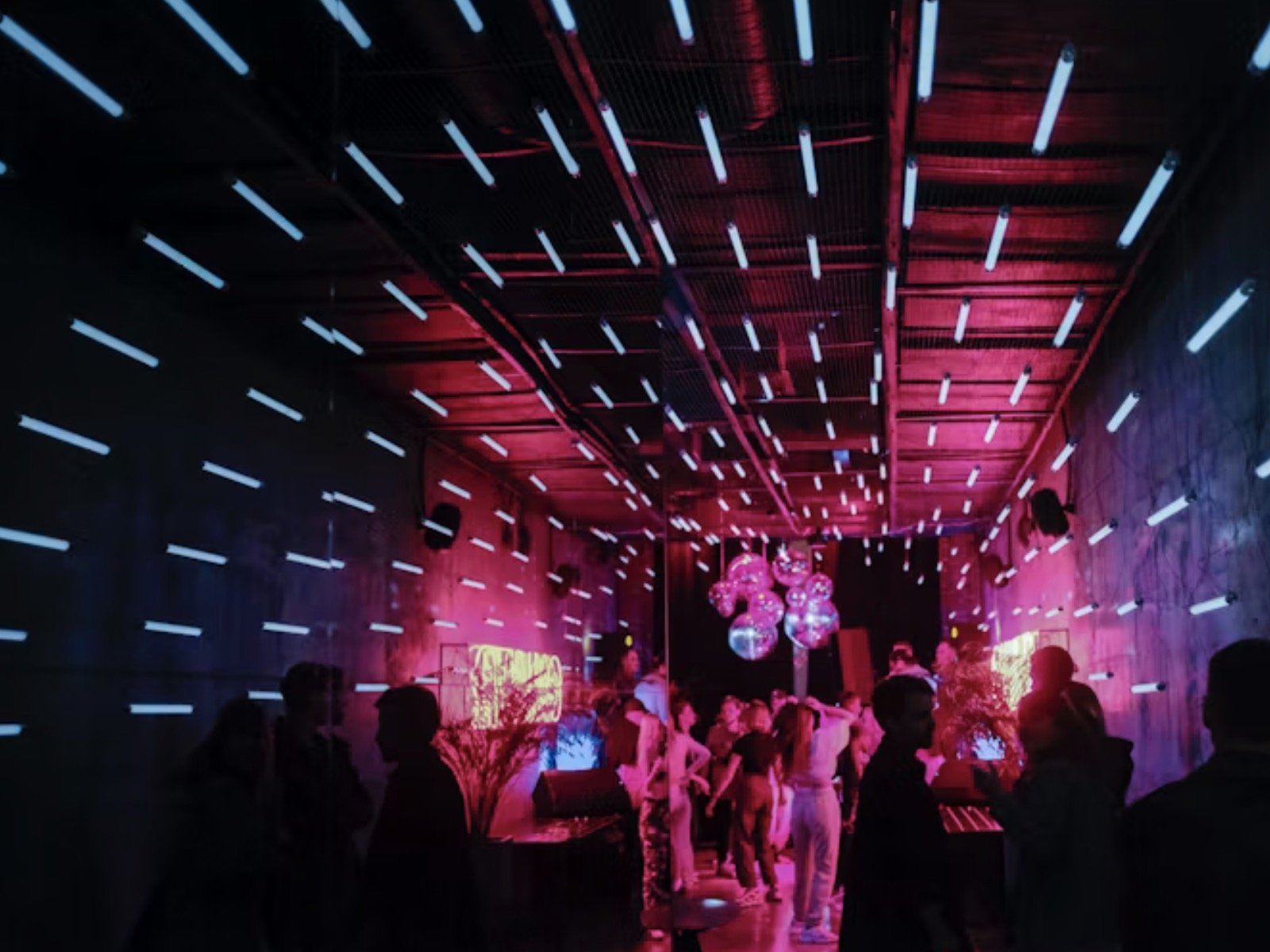
On a Saturday night in a major city, nightlife districts operate like open-air laboratories of behavior. Groups coordinate plans through messaging apps, compare venue options, and negotiate expectations before stepping inside clubs or lounges. In destinations such as Las Vegas, visitors often structure the entire evening in advance, from reserving VIP access to arranging companionship services like vegas escorts, reviewing profiles and confirming details before arriving at the venue. These practical steps illustrate how modern nightlife is shaped by planning, digital coordination, and shifting expectations around privacy and experience.
Urban nightlife no longer revolves purely around spontaneity. It reflects broader social changes in how people connect, present themselves, and manage reputation. The night becomes an extension of daytime values, ambitions, and social hierarchies.

Nightlife as a Mirror of Changing Social Norms
Clubs, rooftop bars, and exclusive lounges reveal how society evolves. The way people interact in these spaces often mirrors larger cultural transformations.
Gender Roles and Social Dynamics
Mixed groups, professional networking in club environments, and more balanced social interaction patterns demonstrate how traditional gender expectations have shifted. Women arrive independently or lead social planning. Men navigate spaces with heightened awareness of etiquette. Interactions are increasingly based on mutual interest rather than outdated assumptions.
Common shifts visible in nightlife include:
Greater female presence in VIP and executive areas
Professional networking blending with entertainment
Decline of rigid dress and behavior expectations
These patterns show how social equality influences even leisure spaces.
Inclusivity and Urban Identity
Modern nightlife districts often celebrate diversity openly. Thematic events, multicultural music programming, and inclusive door policies reflect urban populations that value representation. Cities position nightlife as part of their brand identity, promoting openness and cosmopolitan appeal.
Media, Pop Culture, and the Nightlife Narrative
Urban nightlife does not evolve in isolation. It is influenced by music videos, streaming series, celebrity appearances, and social media trends. When artists highlight certain venues or districts, attendance patterns shift almost immediately. Fashion trends seen in nightlife settings often mirror what is popular in entertainment industries. DJ lineups, themed parties, and even interior design choices are shaped by global pop culture cycles. At the same time, nightlife becomes content itself. Viral clips from clubs or rooftop events can redefine a city’s image overnight. This feedback loop between media and nightlife demonstrates how entertainment culture both shapes and amplifies urban identity. The night becomes a live broadcast of contemporary taste and aspiration.
Digital Culture and the Structuring of Nightlife Experiences
Technology has transformed how nightlife unfolds. Many encounters begin online before transitioning to physical spaces.
Online Coordination Before Arrival
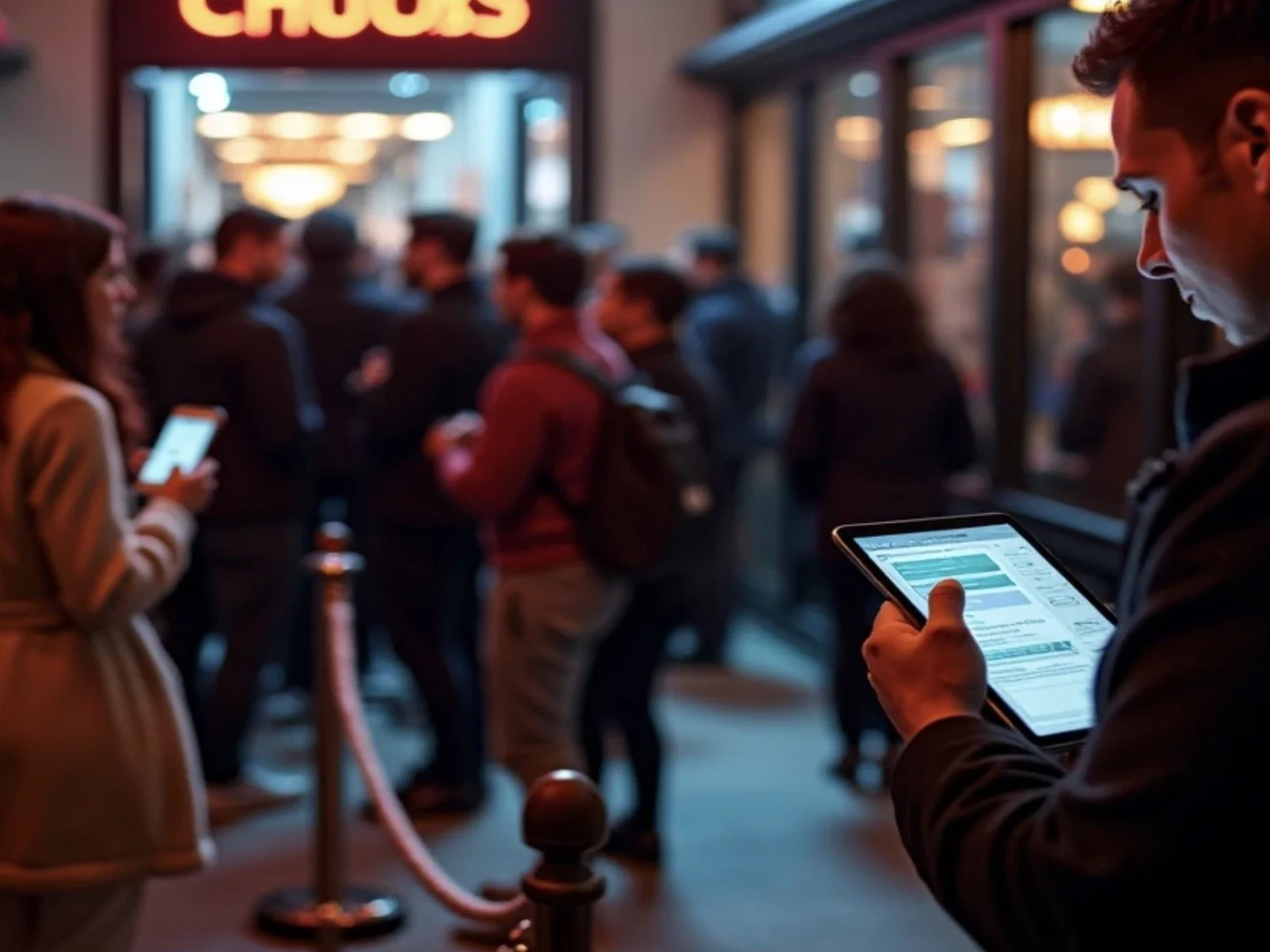
Plans are often confirmed through group chats, booking platforms, and social media. People verify reservations, compare reviews, and share location pins before meeting.
Checking venue ratings and event listings
Reserving tables or VIP access digitally
Confirming guest lists in advance
Digital preparation reduces uncertainty. It also reinforces the importance of logistics and efficiency in modern urban life.
Reputation, Visibility, and Personal Branding
Nightlife now exists under constant digital visibility. Photos and videos circulate instantly. As a result, participants manage their appearance and behavior strategically. Influencers treat club appearances as brand extensions. Entrepreneurs use events to cultivate business connections.
Privacy concerns also shape behavior. Guests may avoid certain areas or prefer private sections to control exposure. This reflects a society that balances visibility with discretion.
Economic Signals and Status in Urban Nightlife
Nightlife environments also reveal economic hierarchies. Access levels often correlate with spending power and social networks.
VIP Culture and Tiered Access
Tiered entry systems, bottle service sections, and private rooms create visible social layers. Reservation status influences where guests sit and who they interact with. These distinctions reinforce how status operates in contemporary urban settings.
Visible markers of hierarchy include:
Exclusive guest lists
Elevated seating platforms
Dedicated hosts and concierge service
Such structures mirror broader economic stratification in city life.
Conclusion: Urban Nightlife as a Social Barometer
Urban nightlife functions as a real-time indicator of social trends. It reflects shifts in gender dynamics, inclusivity, technology use, and economic structure.
Social interaction patterns evolve alongside cultural change.
Digital tools reshape how evenings are organized.
Status and visibility influence behavior within nightlife spaces.
As cities continue to transform, their nightlife districts will remain visible stages where broader social developments play out after dark.