Drill Music, Street Culture, and Chicago's Complicated Entertainment Legacy
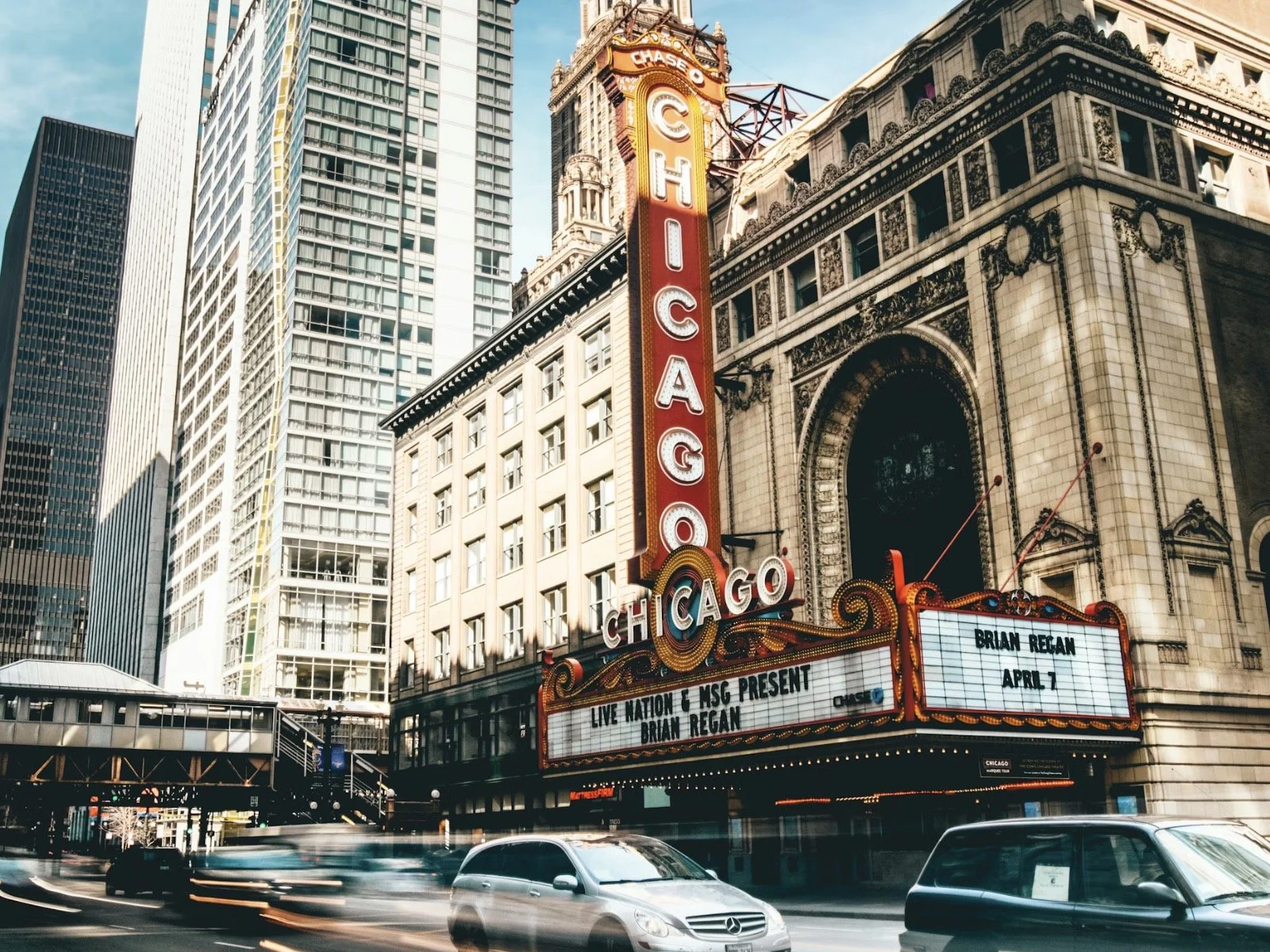
Chicago's cultural exports carry weight and contradiction. The city gave the world drill music – raw, aggressive, hyperlocal sound that spread globally. Chief Keef, King Von, Lil Durk became international stars rapping about blocks most fans will never visit. But this success came with costs. The same authenticity that made drill compelling also tied it to real violence, real grief, real consequences that entertainment consumers often treat as aesthetic rather than lived reality. Someone researching Chicago's culture online navigates this complexity immediately – drill playlists and concert dates appear alongside news about shootings, while searches ranging from music festival lineups to chicago escorts surface between restaurant recommendations and neighborhood safety discussions. This digital landscape mirrors the city itself, where entertainment, danger, beauty, and struggle exist simultaneously in ways outsiders struggle to comprehend. Understanding Chicago's entertainment legacy requires confronting uncomfortable truths about what audiences consume, what artists risk, and what gets lost when street culture becomes a commercial product.
The Origins of Drill and Why It Hit Different
Drill emerged from Chicago's South and West sides in the early 2010s, soundtracking lives shaped by poverty, violence, and limited options. The music reflected specific geographic realities – beef between blocks separated by single streets, memorials for friends killed young, daily navigation of dangerous territories. Chief Keef's "I Don't Like" and later tracks established drill's sonic signature: dark, minimalist beats, menacing delivery, and lyrics mixing bravado with genuine threat.
What made drill powerful was its refusal to sanitize or romanticize. Previous gangsta rap often felt theatrical. Drill felt documentary. Artists rapped about opps (opponents) by name, referenced specific incidents, and treated violence as mundane reality rather than exciting narrative device. This authenticity attracted listeners worldwide while making the music dangerous for those living the situations it described.
When Entertainment Becomes Evidence
Chicago drill created unprecedented situations where lyrics became legal evidence and music videos turned into gang intelligence. Police monitored artists' social media, using posts and tracks to build cases. Rivals studied videos for disrespect requiring retaliation. The line between artistic expression and actionable threat dissolved, leaving artists vulnerable from multiple directions.
This dynamic fundamentally changed what making music meant. Artists couldn't simply perform personas – every bar carried potential real-world consequences. Some got killed for lyrics. Others faced prosecution for words prosecutors claimed incited violence. The entertainment industry profited from drill's danger while artists absorbed risks that record labels and streaming platforms never faced. The exploitation was obvious but continued because authentic street narratives sell.
The Complicated Relationship Between Violence and Success
Drill's commercial appeal depends partly on perceived authenticity validated through violence. Artists who survived shootings or lost friends to street beef gained credibility that translated to streams and sales. This created perverse incentives where staying connected to dangerous situations helped careers even as it threatened lives.
Some artists tried escaping this trap by moving away from Chicago or shifting musical direction. Others leaned harder into street narratives, calculating that authenticity was their competitive advantage in crowded markets. A few died before deciding which path to take. The industry rarely acknowledges its role in these outcomes, preferring to treat artist deaths as tragic inevitabilities rather than consequences of economic systems incentivizing risk.
Chicago's Entertainment Scene Beyond Drill

Source: https://pixabay.com/images/download/12019-city-1775878_1920.jpg
Reducing Chicago's culture to drill music misses the city's broader creative output. The house music legacy, comedy tradition, independent film scene, visual arts community – all these exist alongside and independent from drill. But drill's commercial success and controversial nature overshadow quieter creative work that doesn't generate headlines or controversy.
This imbalance frustrates Chicago artists working in less sensational mediums. They produce excellent work that goes unnoticed while drill dominates conversations about Chicago culture. The city's entertainment legacy becomes defined by its most extreme expressions rather than its full creative spectrum, creating distorted perceptions that affect everything from tourism to investment in cultural infrastructure.
The Tourist Gaze and Authenticity Performance
Chicago's street culture became a tourist attraction in troubling ways. Visitors take "hood tours" treating poverty and violence as sightseeing experiences. Fans demand artists maintain street connections as proof of authenticity even when those connections endanger lives. Social media turns tragic situations into content consumed for entertainment.
This voyeurism reflects broader problems with how audiences engage urban culture. People want the aesthetic – the sound, style, slang – without confronting underlying conditions that produce it. They stream drill while supporting policies that perpetuate the poverty and disinvestment that make drill necessary as economic opportunity. The consumption is extractive, taking culture while giving nothing back to communities creating it.
The Economic Realities Behind Street Entertainment
For many Chicago artists, entertainment represents a rare legitimate economic opportunity. Traditional employment offers minimum wage jobs with no advancement. The street economy provides income but enormous legal and physical risk. Music offers potential wealth and escape, making it a rational choice despite long odds.
This economic context explains why artists stay connected to dangerous situations even when outsiders question those decisions. Walking away from the streets means walking away from authenticity that makes music marketable. It also means abandoning communities, friends, and family still living those realities. The choice between safety and loyalty, career and community, is never simple despite how easily outsiders judge those decisions.
What Chicago Loses in Translation
National audiences consume Chicago culture through distorting lenses that flatten complexity into simple narratives. The city becomes either dangerous wasteland or source of compelling entertainment, rarely both simultaneously in ways that honor actual residents' experiences. This flattening serves media narratives and entertainment industry profits while doing nothing for Chicagoans navigating the actual contradictions.
Chicago's entertainment legacy deserves recognition that doesn't require ignoring violence or romanticizing struggle. The city produces extraordinary culture precisely because conditions force creativity as survival mechanism. Acknowledging that complexity – celebrating the culture while confronting the systems that make it necessary – is harder than consuming drill tracks as background music. But it's the only honest way to engage what Chicago's artists risk to share.
Conclusion: Entertainment Born From Unequal Terms
Chicago's cultural influence operates on fundamentally unequal terms. Artists provide authenticity that entertainment industries monetize while bearing risks those industries never face. Fans consume culture without confronting conditions producing it. The city exports entertainment that shapes global youth culture while communities creating that culture remain underinvested and over-policed. This arrangement benefits everyone except the people whose lives become content. Chicago's entertainment legacy is extraordinary not despite these contradictions but because of them – culture forged from circumstances that should not exist, shared with audiences who rarely acknowledge what that sharing costs.