Malmö's Nightlife Evolution: From Industrial Port to Scandinavia's Entertainment Hotspot
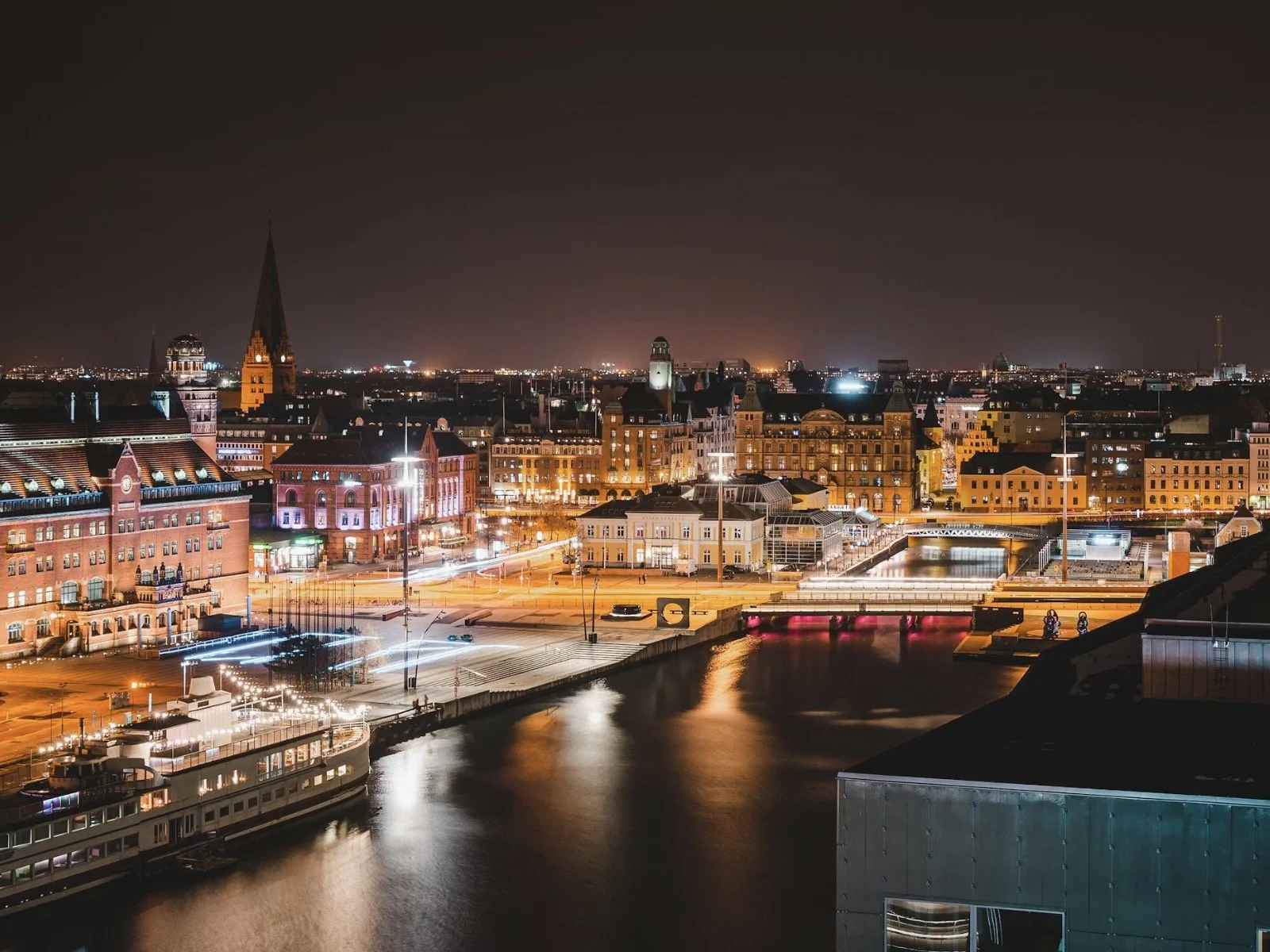
Malmö's transformation over the past two decades has been remarkable. What was once a quiet industrial port city now pulses with energy after dark, drawing crowds from across Scandinavia and beyond. The nightlife scene reflects a broader cultural shift – younger demographics, international influences, and a willingness to experiment with new concepts. Visitors researching Malmö online encounter a wide spectrum of information, from concert venues and rooftop bars to late-night dining options and searches like escort Malmö appearing alongside club reviews and event listings. This digital landscape mirrors the city's diversity, where entertainment options cater to different tastes, schedules, and intentions. Malmö's nightlife is no longer an afterthought but a defining feature of its modern identity.
Why Malmö's Nightlife Scene Gained Momentum

Source: https://pixabay.com/photos/hand-turntable-dj-neon-lights-1850120/
Several factors contributed to Malmö's emergence as a nightlife destination. The city's proximity to Copenhagen created a cross-border dynamic where trends, artists, and audiences flowed freely. Urban renewal projects converted old industrial spaces into cultural venues, giving the city a distinct aesthetic that appealed to creatives and entrepreneurs. A growing student population and increasing international migration brought fresh perspectives and diverse tastes.
Key reasons for Malmö's nightlife growth include:
Strategic location between Copenhagen and continental Europe
Conversion of industrial spaces into clubs and concert halls
Rising youth population with disposable income
Support for independent venues and cultural initiatives
Relaxed licensing regulations compared to neighboring cities
The Role of Independent Venues and Grassroots Organizers
Malmö's nightlife wouldn't exist in its current form without independent venue owners and grassroots organizers. Small clubs, pop-up events, and underground parties built the foundation before larger commercial venues arrived. These spaces prioritized atmosphere, community, and musical diversity over profit margins.
Organizers often operated on tight budgets but created experiences that felt authentic and unpredictable. Word spread through social networks rather than traditional advertising. This organic growth established Malmö's reputation as a city where interesting things happen outside the mainstream. Many of these independent spaces still thrive, coexisting with newer, more polished establishments.
Music, Art, and Cross-Cultural Influences Shaping the Scene
Malmö's nightlife draws heavily from its multicultural population. Hip-hop, electronic music, reggae, and Middle Eastern sounds blend in ways rarely seen in other Scandinavian cities. DJs and producers from immigrant backgrounds introduced rhythms and styles that resonated with younger crowds tired of homogeneous club playlists.
Live music venues host everything from experimental jazz to hardcore punk. Art installations and visual projections turn clubs into immersive environments. This cross-cultural energy makes Malmö feel less predictable than Stockholm or Gothenburg, where nightlife can feel more polished but less adventurous.
Infrastructure Supporting Late-Night Culture
As demand grew, infrastructure improved. Public transportation extended operating hours, making it easier to move between neighborhoods after midnight. Late-night food options expanded beyond kebab stands to include ramen bars, taco trucks, and bakeries catering to post-club crowds.
Infrastructure improvements include:
Extended bus and train schedules on weekends
Designated nightlife districts with concentrated venues
Late-night food markets and mobile vendors
Safety initiatives including well-lit streets and visible security
Bike-friendly routes connecting entertainment zones
City planners recognized nightlife as an economic driver and adjusted policies accordingly. Noise complaints were managed through soundproofing requirements rather than blanket shutdowns. This pragmatic approach allowed the scene to flourish without constant regulatory friction.
Digital Platforms and the Online Visibility of Malmö's Nightlife
Social media transformed how people discover and experience Malmö's nightlife. Instagram accounts showcase venue aesthetics, Facebook events replace printed flyers, and streaming platforms promote local DJs to international audiences. TikTok videos capture spontaneous moments that attract curious visitors.
Online visibility also brought challenges. Venues must maintain strong digital presences to stay relevant. Reviews on Google and TripAdvisor influence choices. Ticket sales moved online, changing how venues manage capacity and plan events. The digital layer added convenience but also intensified competition.
How Malmö Compares to Other Scandinavian Nightlife Destinations
Malmö occupies a unique position in Scandinavia's nightlife landscape. Copenhagen offers more polished, expensive experiences. Stockholm leans corporate with strict dress codes and high cover charges. Malmö sits somewhere in between – accessible, diverse, and less pretentious.
Regional factors contributing to Malmö's appeal include:
Lower prices than Copenhagen or Stockholm
More relaxed dress codes and entry policies
Greater diversity in music and crowd demographics
Proximity to continental Europe influencing style and attitude
Smaller size creating a more intimate, connected scene
This combination attracts visitors seeking something different from Scandinavia's typical nightlife offerings. Malmö feels grittier, more experimental, and less concerned with perfection.
Conclusion: A City Where Nightlife Reflects Broader Transformation
Malmö's nightlife evolution tells a larger story about urban reinvention. The city moved from industrial decline to cultural vitality by embracing diversity, supporting independent initiatives, and adapting infrastructure to changing needs. What happens after dark in Malmö reflects its willingness to experiment and take risks. As the city continues growing, its nightlife will likely remain a central part of its identity – dynamic, inclusive, and constantly evolving.